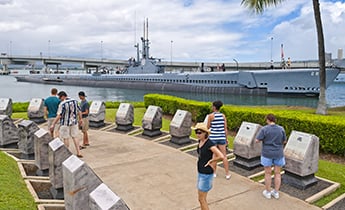


Pearl Harbor in 1941 was not just a naval base — it was a community. Sailors and Marines lived alongside civilian shipfitters, defense workers, military spouses, and Native Hawaiian families whose ancestors had fished Wai Momi ("the harbor of pearls") for centuries before the U.S. Navy ever arrived. This collection looks beyond the order of battle to the people who called Oahu home when the bombs fell: the wives and children of officers in housing at Hickam who watched the second-wave fighters strafe their neighborhood; the nurses at Tripler Army Hospital and the Solace hospital ship who worked thirty-six straight hours; the civilian defense workers killed at the dry docks; the Japanese-American residents — many of them Nisei — who lined up at recruiting stations within days, eventually forming the legendary 100th Battalion and 442nd Regimental Combat Team.
You'll find articles on women's expanding service in the war effort, civilian casualties often overlooked in the official record, the wartime curfew and blackout that defined daily life on the islands, and the broader story of how Pearl Harbor changed everyday American life.
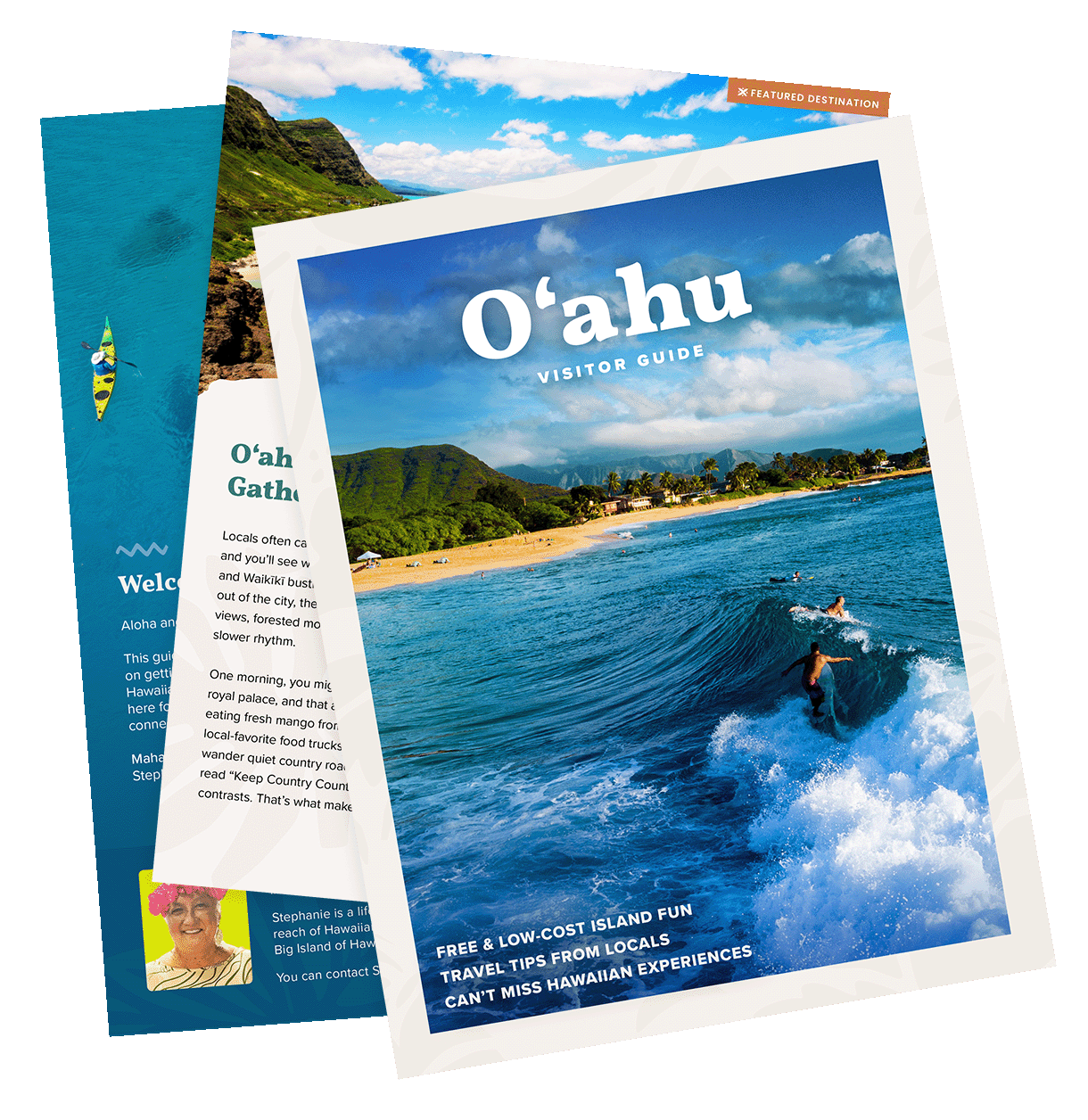
To understand the geography these stories unfold across, the official Oahu visitor's guide maps every site relevant to the home-front history. For first-time visitors, the Complete Pearl Harbor Tour Experience threads the personal stories together with the major memorials in a single guided day.
War is fought by armies. It is endured by communities. These are theirs.
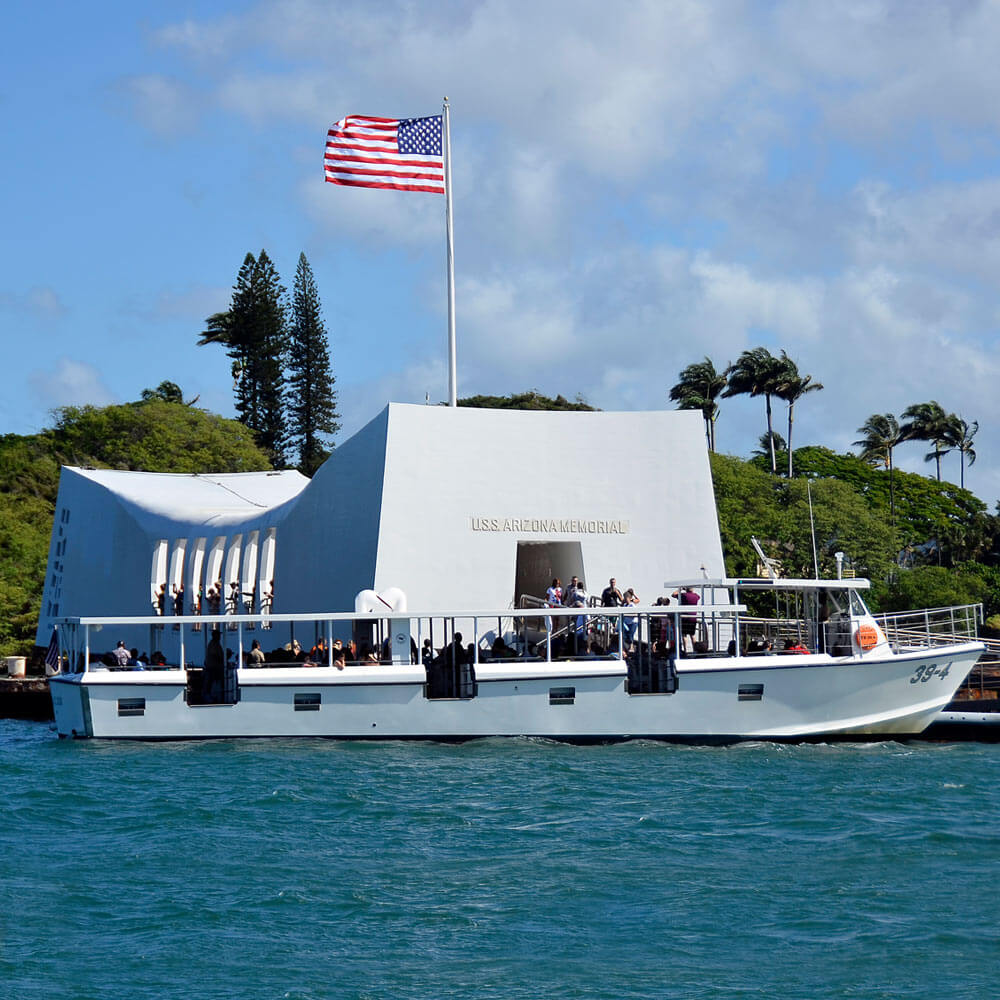
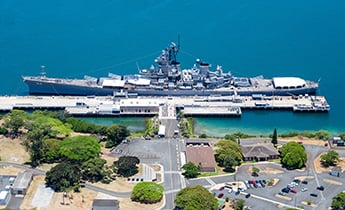
Scheduled Pearl Harbor Tour
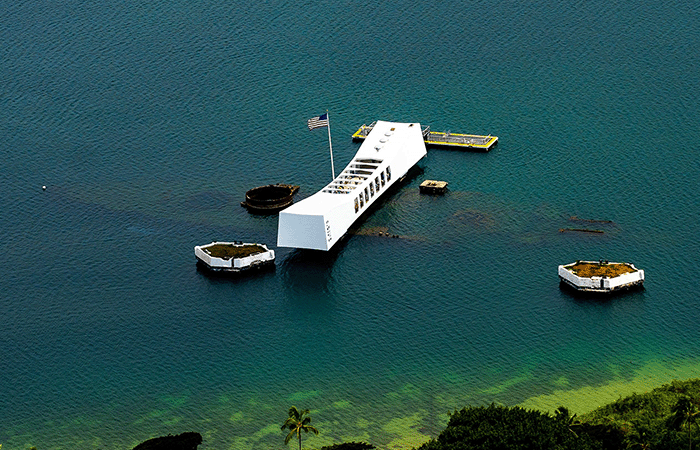
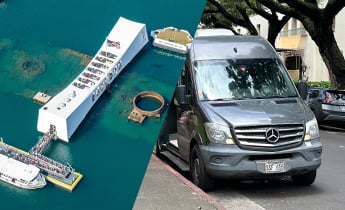
Pearl Harbor Tickets for Self-Paced Tour
Scheduled Pearl Harbor Tour

Scheduled Pearl Harbor Tour