
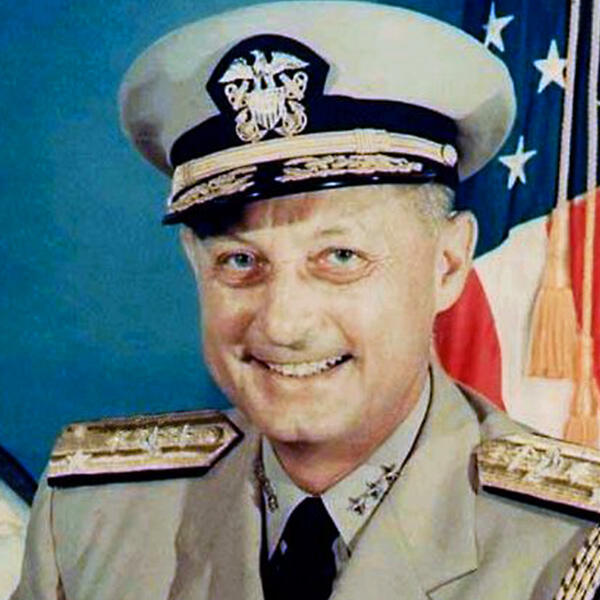
World War II in the Pacific was a war of doctrine as much as firepower — fought between leadership cultures that saw the world in fundamentally different terms. This collection profiles the men whose decisions shaped December 7th and everything that followed. On the Japanese side: Admiral Isoroku Yamamoto, the architect of the Pearl Harbor strike who privately doubted Japan could win a long war and reportedly warned his superiors that he could "run wild" for six months but no longer; Prime Minister Hideki Tojo, the man who ordered the attack; and Vice Admiral Chuichi Nagumo, who commanded the strike force at sea.
On the Allied side: President Franklin Roosevelt, whose "day which will live in infamy" address pulled a divided isolationist nation into a global war within twenty-four hours of the attack; Admiral Chester Nimitz, who took command of a smoking Pacific Fleet on December 31st, 1941 and rebuilt it into the force that won at Midway six months later; General Douglas MacArthur, whose Philippines defense and later "I shall return" pledge defined Allied strategy in the southwest Pacific; and Winston Churchill, whose first thought on hearing the news was reportedly relief that America had finally entered the fight.
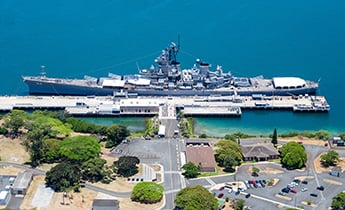
To stand where their strategies played out, tour the Battleship Missouri Memorial — the deck where Japanese leaders signed the formal surrender on September 2, 1945. The Passport to Pearl Harbor ticket bundles entry across all of the historic sites these leaders shaped.
Their decisions still echo in modern military doctrine.
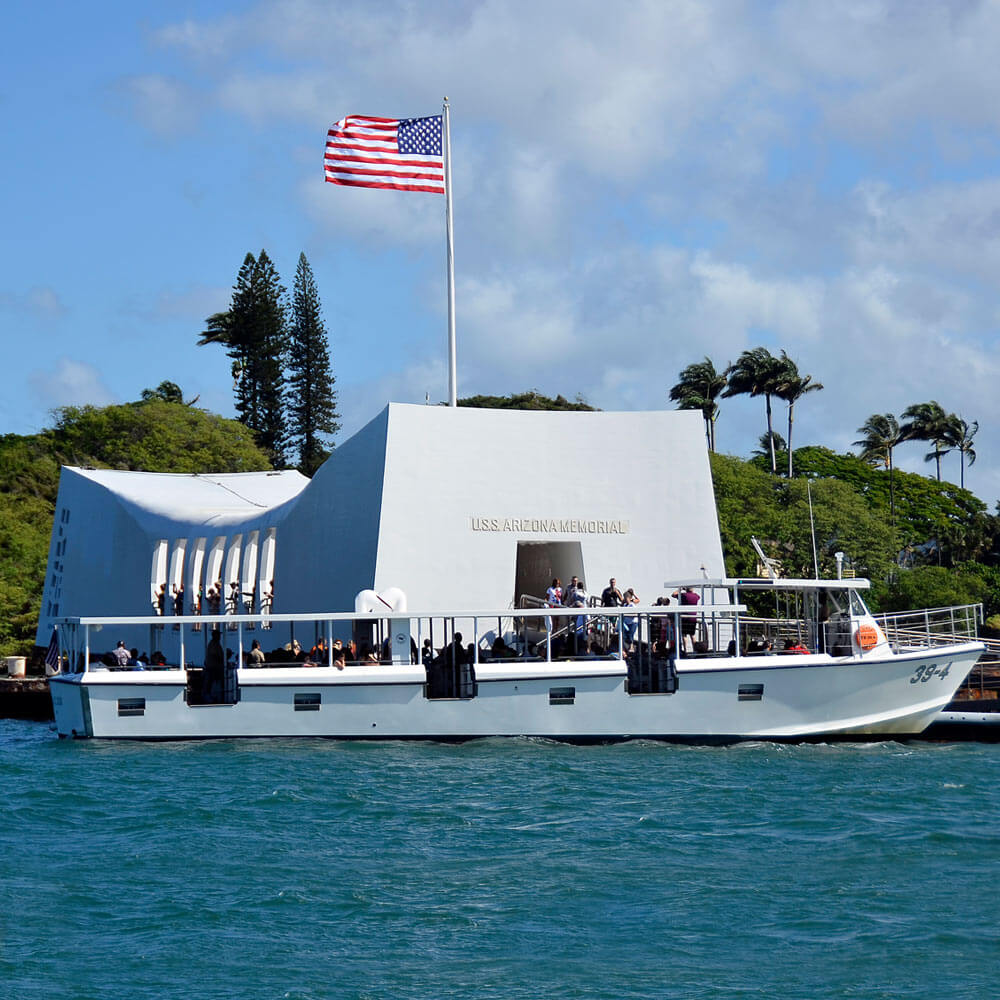
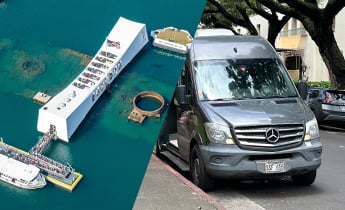
Scheduled Pearl Harbor Tour
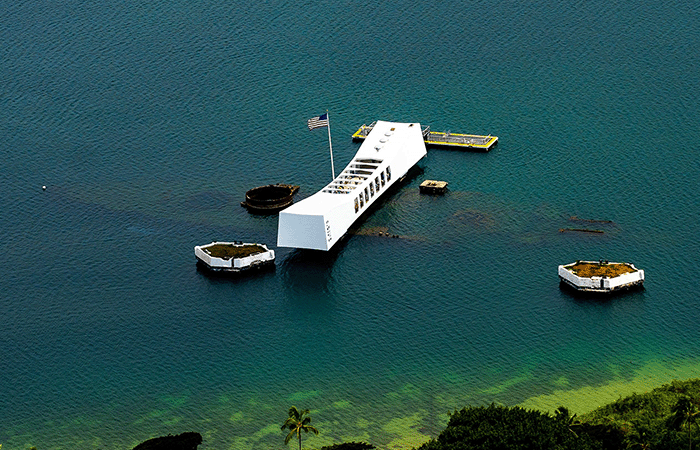
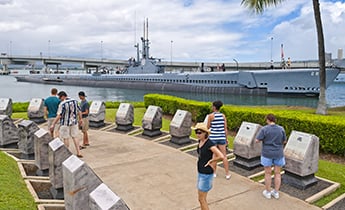
Pearl Harbor Tickets for Self-Paced Tour
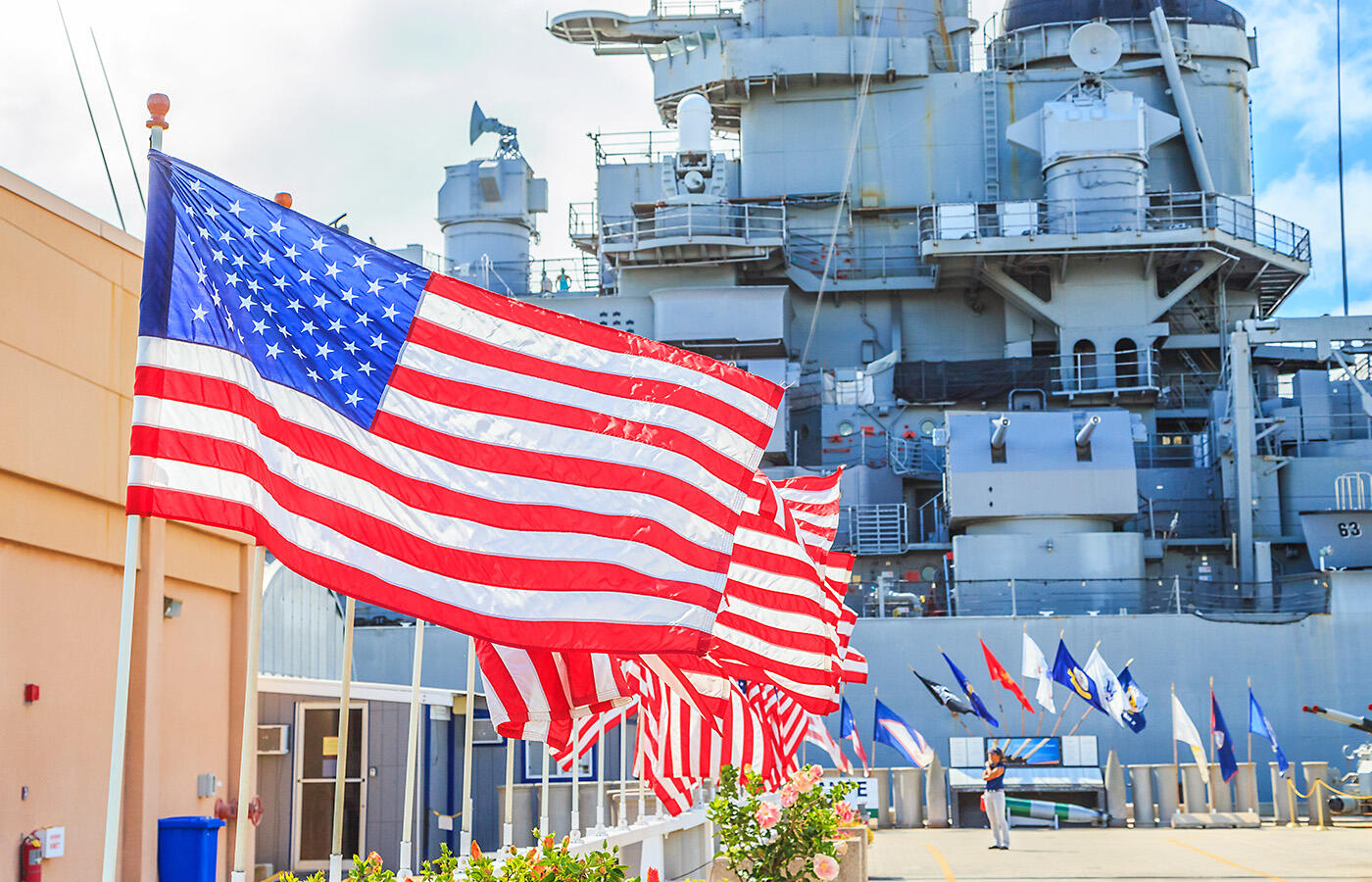
Scheduled Pearl Harbor Tour

Scheduled Pearl Harbor Tour