

Just before 8 a.m. local time on Sunday, December 7, 1941, 353 Japanese aircraft launched from six carriers struck the U.S. Pacific Fleet at anchor in Pearl Harbor. Within two hours, eight battleships were damaged or destroyed, 188 aircraft lay in ruins, and 2,403 Americans had been killed. The first wave hit at low altitude with torpedo bombers; the second arrived twenty minutes later with high-level bombers and fighters strafing what was left.
The articles in this collection examine the attack from every angle: the diplomatic breakdown that preceded the first wave, the radar warning, the strikes on Battleship Row, and the strategic miscalculations the Japanese command made before, during, and after the raid — including the fateful decision not to launch a third wave against the harbor's fuel tanks and dry-dock facilities. Whether you're researching the chain of events, the human toll, or the immediate aftermath, you'll find primary-source accounts, ship-by-ship damage reports, and historian-led analysis here.
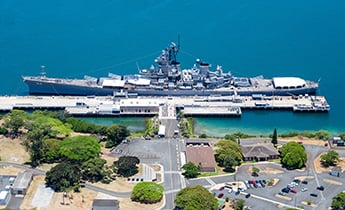
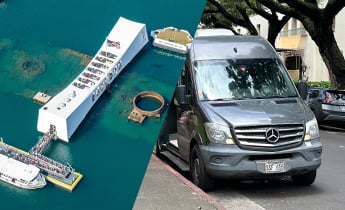
When you're ready to walk the harbor itself, book a guided tour of the USS Arizona Memorial and Battleship Missouri — the two sites that bookend America's entry into and victory in the Pacific War. For visitors short on time, the Pearl Harbor Excursion short tour covers the essentials in a single morning, with round-trip transportation from Waikiki.
The attack reshaped the twentieth century in under 110 minutes, drawing a divided isolationist America into the largest war in human history. The articles below help explain how, and why, those minutes still matter.
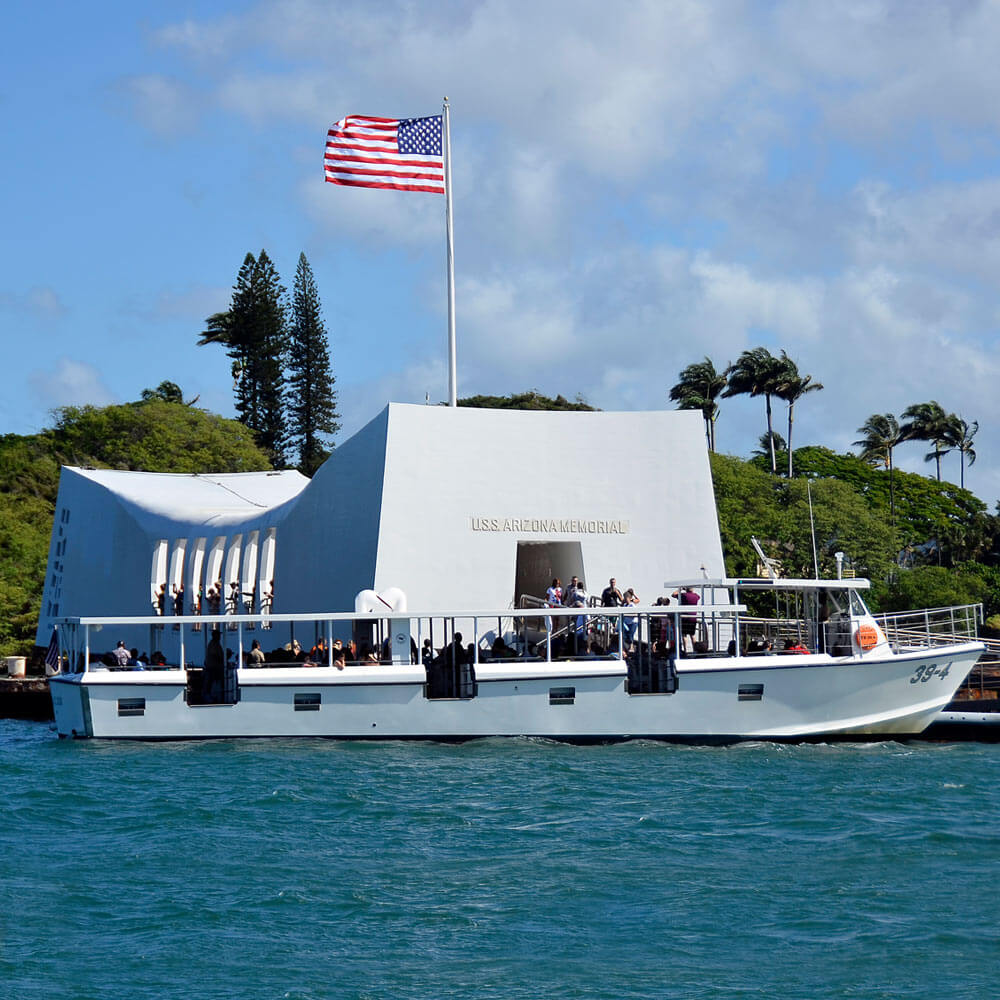
Scheduled Pearl Harbor Tour
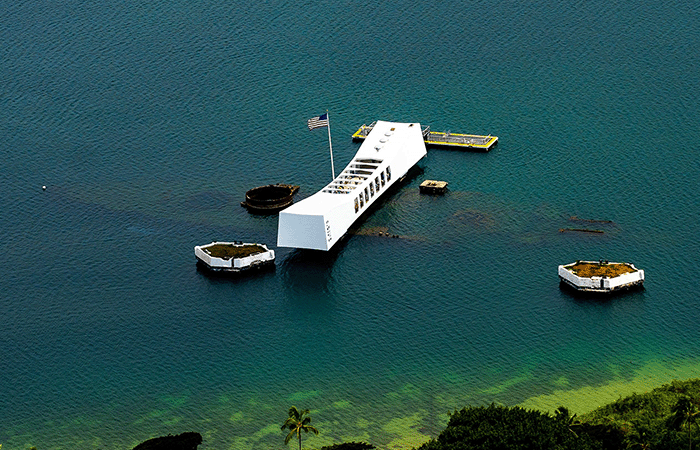
Pearl Harbor Tickets for Self-Paced Tour
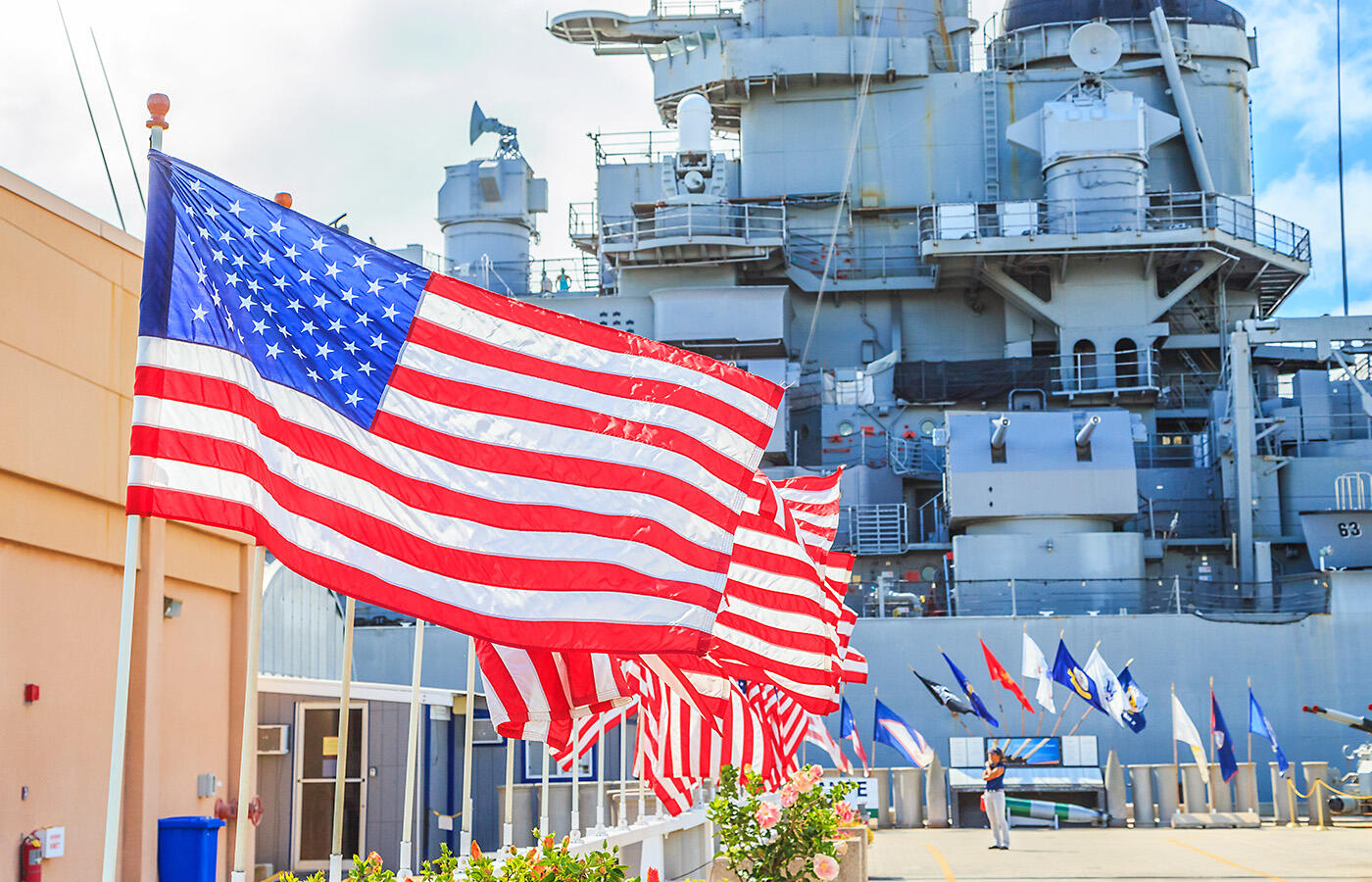
Scheduled Pearl Harbor Tour

Scheduled Pearl Harbor Tour